

Quick answer: Recycled polyester (often called rPET) performs almost exactly like standard polyester in sportswear. It sublimates well, wicks sweat and holds its shape, so it works for jerseys, leggings, training tops and team kits. The catch in 2026 is not the fabric, it’s the marketing. New rules in the EU (from 27 September 2026), the UK, Australia and the USA mean a hang tag that just says “eco-friendly” or “sustainable” can now land your brand in trouble. If you use recycled fabric, say exactly how much, keep the paperwork that proves it, and let your manufacturer know at the quote stage so the right fabric and documents are lined up from the start.
More and more of the clubs and brands we work with ask the same question: “Can we make this kit from recycled fabric, and what can we actually say about it?” It’s a good question, because the rules around green claims have tightened a lot over the past two years. This guide walks through what recycled polyester is, how it behaves in real sportswear, what the certificates mean, and how to talk about it honestly to customers in the UK, Europe, the USA, Australia and New Zealand.
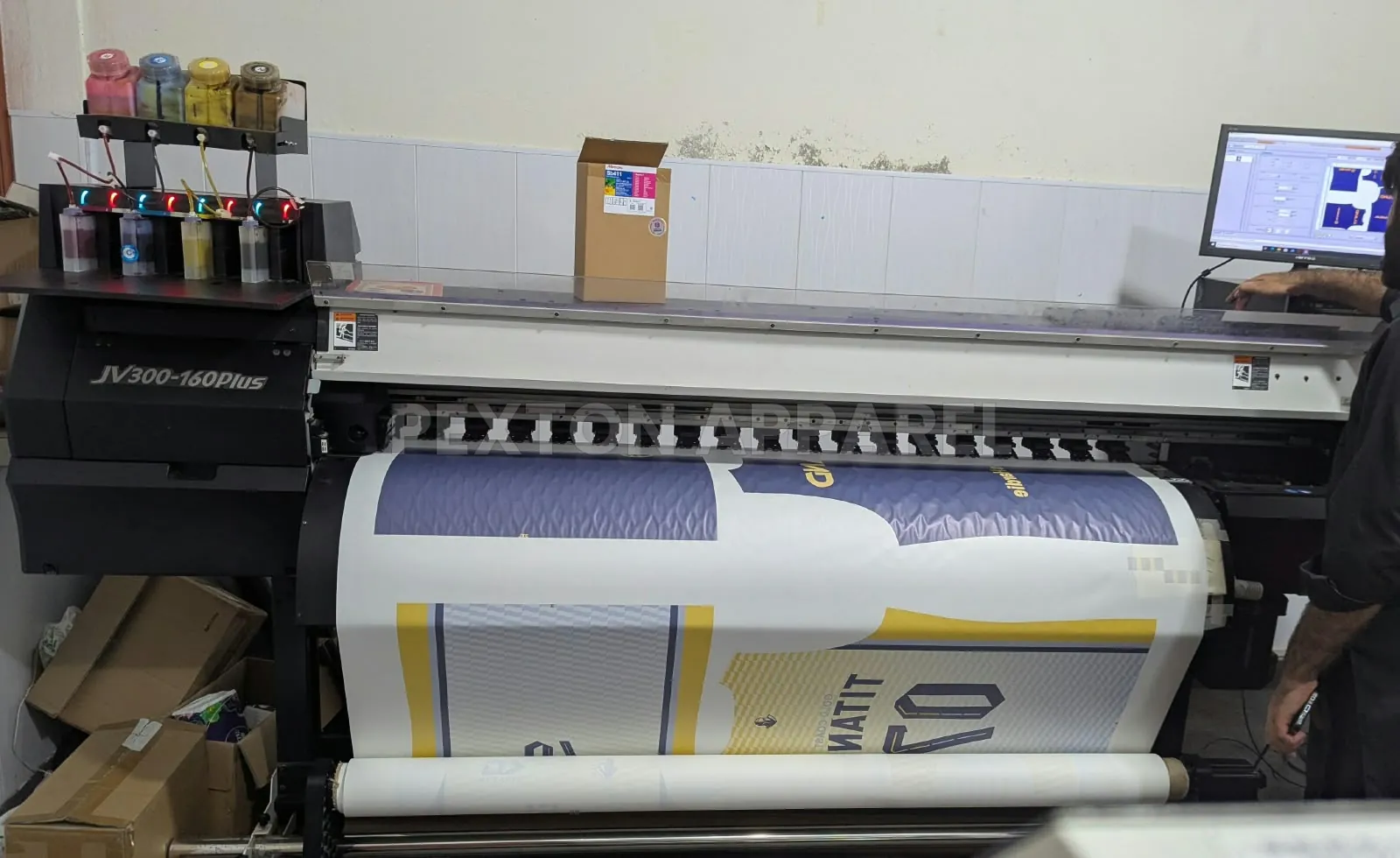
What Is Recycled Polyester?
Recycled polyester is polyester yarn made from plastic that has already been used, instead of from new petroleum-based raw material. Polyester is the world’s most used fibre. According to Textile Exchange, it made up around 59% of all fibre produced globally in 2024, but only about 12% of that polyester was recycled. Almost all recycled polyester (around 98%) still comes from plastic bottles. True “textile-to-textile” recycling, where old clothes become new polyester, is growing but still makes up only a small share.
That matters for your marketing. A shirt “made from recycled bottles” is usually accurate. A shirt “made from recycled clothing” usually isn’t, unless your fabric supplier can prove it.
Does Recycled Polyester Perform as Well in Sportswear?
For most sportswear, yes. Once the plastic is turned back into yarn, it behaves very much like standard polyester. Here is how it compares in the products we make most often:
| Product | How recycled polyester performs | Things to watch |
|---|---|---|
| Sublimated football, rugby and netball kits | Prints bright and sharp, just like standard polyester | Ask for a printed swatch first, as whites can sometimes look slightly warmer |
| Training tops and running tees | Same moisture-wicking and quick-dry feel | Check the weight (GSM) matches your original fabric |
| Leggings and activewear (with spandex) | Good stretch and recovery in recycled nylon or polyester blends | The spandex itself is usually not recycled, which affects the percentage you can claim |
| Fleece hoodies and joggers | Recycled polyester fleece is widely available and warm | Brushed fleece can shed microfibres, so give customers sensible washing advice |
| Rash guards and compression wear | Works well in recycled poly-spandex blends | Test stretch and recovery on a sample before bulk |
The main practical differences are not about performance. Recycled fabrics often cost a little more per metre, the colour and fabric options can be narrower, and some mills have higher minimums for a specific recycled fabric. A good manufacturer will tell you upfront if a recycled option will change your price or timeline. For more on fabric choice in general, see our guide to polyester vs cotton for sportswear and our fabric GSM guide.
Certificates: What They Mean and Which Ones Matter
If you plan to say anything about recycled content, you need proof. These are the names you will come across most often:
- GRS (Global Recycled Standard): tracks recycled content through the supply chain and also covers social, environmental and chemical requirements. Products need at least 20% recycled material to be certified, and at least 50% to carry the GRS logo on the product.
- RCS (Recycled Claim Standard): a lighter standard that verifies recycled content only, without the wider social and environmental checks.
- Transaction Certificate (TC): a document issued for a specific shipment of certified material. This is the piece of paper that links your actual order to the certified fabric. Without a chain of certificates, you can’t claim the certified status on the finished product.
- OEKO-TEX STANDARD 100: not about recycling at all. It tests textiles for harmful substances. Useful for skin-contact items such as leggings, sports bras and kidswear, and often requested by European retailers.
A simple rule: only put a certification logo on your product if the product itself is covered by that certification. Using a mill’s certificate to suggest your whole brand is certified is exactly the kind of claim regulators are now targeting.
The New Rules on Green Claims, Market by Market
This is where many brands get caught out. The fabric might be genuinely recycled, but the way it’s described on a website or hang tag can still break the rules.
European Union: the Empowering Consumers Directive
From 27 September 2026, the EU’s Empowering Consumers for the Green Transition Directive applies across all member states. It bans generic environmental claims such as “eco-friendly”, “green” or “climate friendly” unless the brand can show recognised excellent environmental performance relevant to the claim. Sustainability labels are only allowed if they are based on a proper certification scheme or set by a public authority. Claims that a product is “climate neutral” because of carbon offsetting are banned. There is no grace period for old stock, so swing tags printed last year need checking too.
The EU’s planned Green Claims Directive has been withdrawn for now, but the direction is clear. Separately, EU textile EPR schemes and the future Digital Product Passport will make recycled content easier to check, so vague claims will be even easier to spot.
United Kingdom: the CMA and the DMCC Act
The UK’s Competition and Markets Authority (CMA) has published guidance specifically for fashion retailers under its Green Claims Code. It asks brands to avoid vague words like “sustainable” and “eco-friendly” (including in collection names), to give fibre percentages and minimum thresholds when making fabric claims, and to put the key information right next to the claim, not hidden behind a QR code. Under the Digital Markets, Competition and Consumers Act, the CMA can now fine businesses directly for breaking consumer law, up to 10% of global turnover.
Australia: the ACCC’s eight principles
The Australian Competition and Consumer Commission (ACCC) has made greenwashing an enforcement priority and published eight principles for trustworthy environmental claims. In short: make accurate claims you can back up, don’t hide important information, explain any conditions, avoid broad and unqualified claims, use clear language, only use certification trademarks you’re entitled to, and be clear about what part of the product the claim refers to.
New Zealand and the USA
New Zealand’s Fair Trading Act already prohibits misleading claims, and that includes environmental claims about products, which the Commerce Commission can enforce. In the USA, the FTC’s Green Guides set out how terms like “recycled” should be used, and several states have tightened their own rules. The principle is the same everywhere: be specific, be accurate and keep evidence.
Honest Claims vs Risky Claims
| Risky (avoid) | Better (specific and provable) |
|---|---|
| “Eco-friendly kit” | “Shirt fabric made with 100% recycled polyester from post-consumer plastic bottles” |
| “Sustainable leggings” | “78% recycled nylon, 22% spandex. Recycled content certified to GRS” |
| “Carbon neutral jersey” | Remove the claim, or describe the specific action you’ve taken and what it covers |
| “Our green collection” | “Recycled collection: every item contains at least 50% recycled fibre” |
| Leaf icon with no explanation | A short line next to the icon explaining exactly what it means |
Other Practical Ways to Make Sportswear More Responsible
Recycled fabric is only one part of the picture. Some of the most effective changes are practical, cost nothing extra and are easy to describe honestly:
- Order closer to real demand. Low minimums mean less unsold stock. We start at 30 pieces per design with mixed sizes, so you don’t have to overproduce. Our low MOQ guide explains how to plan small first runs.
- Get the size mix right. Unsold sizes are waste. Our guide on ordering the right size mix helps clubs and brands avoid leftovers.
- Make kits that last. Sublimated designs don’t crack or peel because the ink becomes part of the fabric. Strong stitching and good fabric weight mean kits survive more seasons. See our sublimated sportswear guide.
- Cut down on packaging. Ask for fewer polybags per carton, recycled-content mailers or bulk packing for club orders.
- Give good care advice. Washing at 30°C, avoiding the tumble dryer and using a microfibre-catching wash bag all extend garment life and reduce shedding.
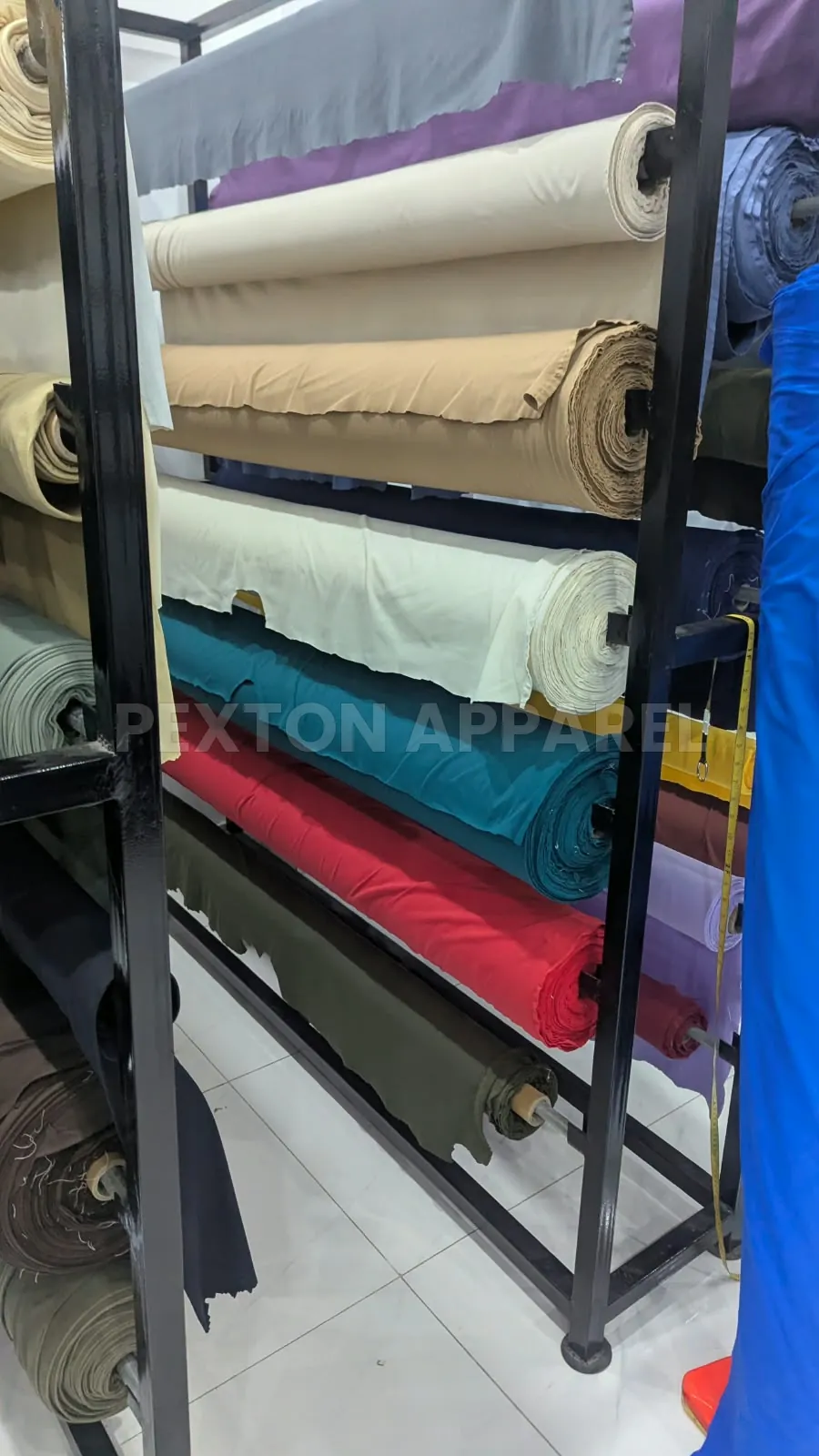
How to Order Recycled Sportswear from Pexton Apparel
- Tell us at the quote stage. Say which products you’d like in recycled fabric, the target recycled percentage and whether you need certificates for your claims.
- Review fabric options. We’ll share what recycled fabrics are available for your style, along with any effect on price, colour options and lead time, and what documentation the fabric supplier can provide.
- Approve a sample. Samples take about 8 to 10 days. Check print quality, feel, weight and fit just as you would with standard fabric.
- Agree your label and hang tag wording. We’ll print fibre content and any claim exactly as you approve it. Our clothing label requirements guide covers what each market needs on the label itself.
- Bulk production and delivery. Bulk takes about 14 to 16 days after sample approval, then we ship duty paid to the USA, the UK, Ireland, Canada and most of Europe, or door to door to Australia and New Zealand.
We’ll always be straight with you about what a fabric can and can’t support. If the paperwork for a claim isn’t available, we’ll tell you before you order, so you never print a claim you can’t back up.
Comparing factories? Use our 10-point checklist on what to look for in a clothing manufacturer, with a free scorecard to compare your shortlist.
Frequently Asked Questions
Is recycled polyester as good as normal polyester for sports kits?
For most sportswear, yes. It wicks sweat, dries quickly and sublimates well. The differences are mainly in price, colour range and fabric availability rather than performance.
Is recycled polyester more expensive?
Usually a little, depending on the fabric and quantity. The difference is often small on finished garments, but it’s worth getting a side-by-side quote for standard and recycled options.
Can I call my products “eco-friendly” if they use recycled fabric?
It’s best not to. In the EU, generic terms like “eco-friendly” are banned from 27 September 2026 unless backed by recognised excellent environmental performance, and the UK and Australian regulators discourage them too. Say exactly what’s recycled and how much instead.
What is a GRS certificate and do I need one?
GRS (Global Recycled Standard) verifies recycled content through the supply chain. You don’t need it to sell recycled products, but it’s the strongest evidence for recycled claims and some retailers require it. To use the GRS logo on a product, it needs at least 50% recycled content and a certified chain of custody.
Can I make sublimated team kits from recycled fabric?
Yes. Recycled polyester takes sublimation inks just like standard polyester, so full-colour football, rugby, netball, cycling and basketball kits are all possible. We recommend approving a printed sample first.
Is recycled polyester better for the environment?
It reuses plastic waste instead of new raw material, which is a real benefit, but it still sheds microfibres and most of it comes from bottles rather than old clothing. Durable garments made in the right quantities are just as important as the fibre itself.
Conclusion
Recycled polyester is a practical choice for sportswear in 2026, and it performs as well as the standard version in most kits and activewear. The real work is in being honest about it: specific percentages, proper paperwork and clear wording that follows the new rules in your market. If you’d like to compare recycled and standard fabric options for your next order, request a quote, message us on WhatsApp at +92 311 7644607 or email info@pextonapparel.com. We’ll come back within 24 hours with options and honest advice.