

If you import custom clothing into the USA, UK or Europe, 2026 has changed the maths. New tariffs, the end of duty-free small parcels and tighter customs checks mean the price on a factory invoice is no longer the price you actually pay. Working with a DDP clothing manufacturer — one that ships Delivered Duty Paid, door-to-door — is now the simplest way for brand founders, club managers and gym owners to know their true cost per piece before they place an order.
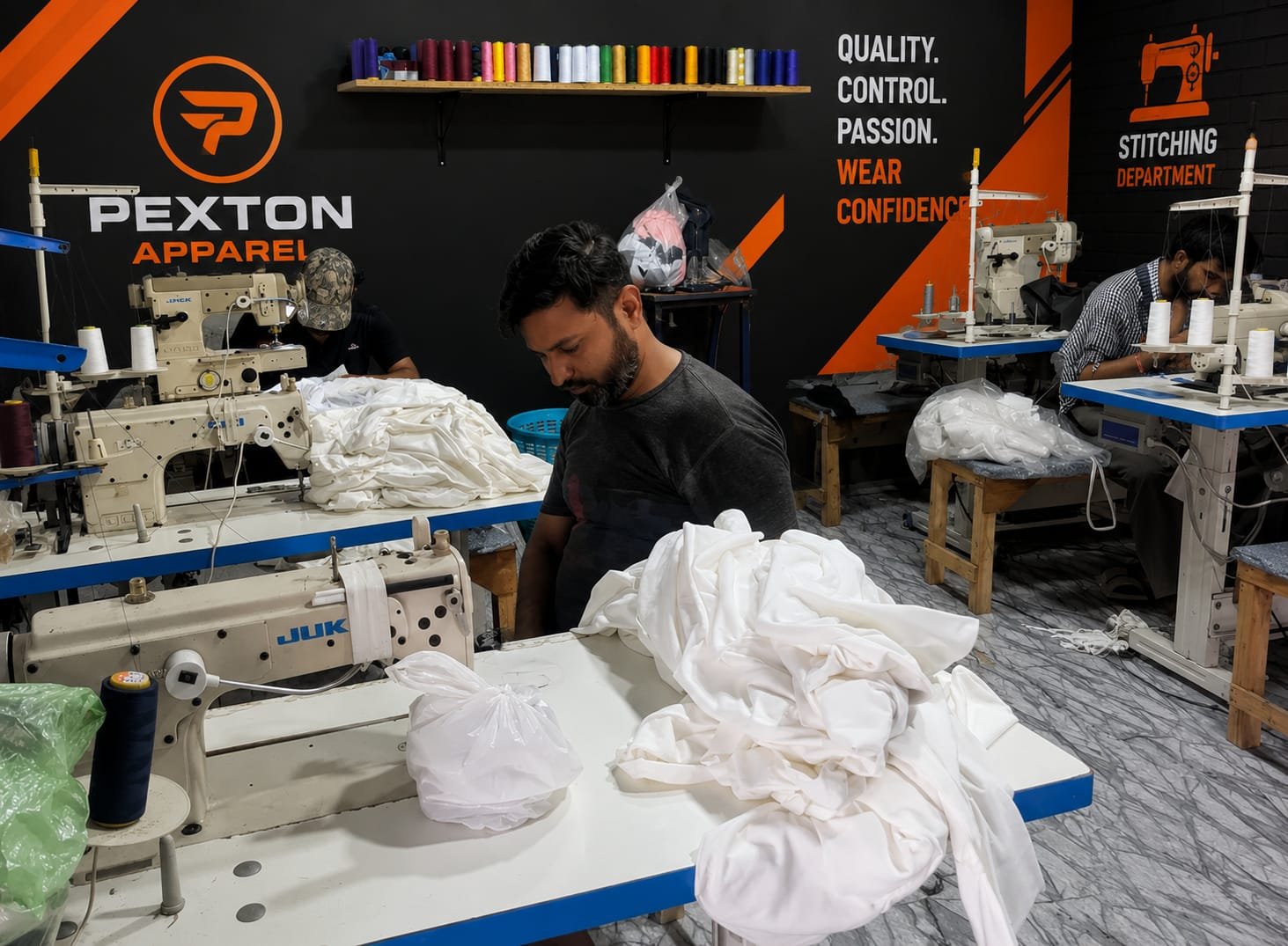
This guide explains what changed this year, how DDP compares with FOB, EXW and DAP, how to work out landed cost, and the mistakes that still lead to surprise duty bills. It also explains how Pexton Apparel, a cut & sew manufacturer in Sialkot, Pakistan, since 2010, keeps offering duty-paid delivery to the USA, UK and most of Europe despite all of these changes.
What Changed in 2026: Tariffs and Duty Rules Buyers Need to Know
Three shifts are behind most of the questions buyers are asking right now:
- USA: Since 24 July 2026, most imports from Pakistan carry an additional 10% Section 301 tariff on top of the normal duty rate for each product. Several other major sourcing countries, including India and Bangladesh, face a similar additional rate. The US also ended its de minimis (duty-free under $800) treatment for low-value shipments in 2025, so even small sample parcels can now be dutiable.
- European Union: From 1 July 2026, the EU removed the €150 customs duty exemption on low-value parcels sent to consumers and introduced a flat €3 duty per tariff line. Commercial B2B shipments were always dutiable, but this change hits brands that ship directly to customers from outside the EU.
- United Kingdom: The UK has confirmed that customs relief on goods under £135 will end by October 2028. For B2B orders, normal duty and import VAT already apply, but the direction is clear: fewer exemptions, more paperwork.
Rules continue to change, so always confirm current rates with a customs broker or your local authority before you budget. The key point for buyers is simple: whoever is responsible for duties carries the risk of these changes. The shipping term you agree with your manufacturer decides who that is.
DDP vs DAP vs FOB vs EXW: Who Pays What
Incoterms define where the manufacturer’s responsibility ends and yours begins. For clothing orders, these four come up most often:
| Term | Factory handles | Buyer handles | Best for |
|---|---|---|---|
| EXW (Ex Works) | Goods ready at the factory | Pickup, export clearance, freight, import duties, taxes, delivery | Large importers with their own forwarder |
| FOB (Free on Board) | Export clearance and loading at origin port | Sea freight, insurance, import clearance, duties, delivery | Container orders with an experienced broker |
| DAP (Delivered at Place) | Freight to your door | Import duties, taxes and clearance fees on arrival | Buyers comfortable paying the courier at delivery |
| DDP (Delivered Duty Paid) | Freight, export and import clearance, and duties to your door | Receiving the boxes | Startups, clubs, gyms and brands that want one fixed landed cost |
With DAP, the courier usually holds your parcel until duties and fees are paid, which can mean an unplanned bill and a delay just before a launch or the start of a season. With DDP, those costs are built into your quote upfront.
Why a DDP Clothing Manufacturer Makes Small-Batch Orders Simpler
For a 30-piece run of team jerseys or a 300-piece hoodie drop, hiring a customs broker and freight forwarder often costs more effort than the order is worth. A DDP clothing manufacturer takes that work off your plate:
- One number to budget: product, branding, packaging, freight and import duties in a single quote, so your margin is clear before production starts.
- No customs surprises: the courier does not ask you for payment at your door.
- Faster restocks: once the first order clears, repeat orders follow the same route and paperwork.
At Pexton Apparel, this is how we work. Despite the new US tariff and the tighter rules in Europe, we continue to offer DDP door-to-door delivery to the USA, the UK and most of Europe, so our clients keep a simple, predictable buying process. Orders to Australia and New Zealand ship door-to-door, with duties paid by the buyer on arrival, and DDP to Canada is available on request. You can see how we work with each market on our USA, UK and Europe pages.
Want a duty-paid quote for your next order?
MOQ from 30 pieces · samples in 8–10 days · DDP shipping to the USA, UK & Europe.
How to Calculate Landed Cost Per Piece
Landed cost is what one finished garment really costs you once it is in your warehouse, shop or clubhouse. Use this formula for any quote:
Landed cost per piece = (product cost + decoration + labels and packaging + freight + import duty + tariffs + import VAT or fees + clearance charges) ÷ number of pieces
A worked example without prices: imagine 200 custom hoodies. On a DAP or FOB quote you add freight, then look up the duty rate for the HS code (cotton-rich knitted hoodies and polyester ones fall under different codes), add any additional tariff such as the 10% Section 301 rate for US imports from Pakistan, then add clearance or broker fees. Each line can move. On a DDP quote, those lines are already included, so the per-piece figure you see is the one you pay.
Typical cost drivers that change your per-piece figure, whatever the shipping term:
- Fabric type and GSM (a 400 GSM fleece hoodie weighs far more than a 160 GSM performance tee, which affects air freight)
- Decoration method: screen print, embroidery, 3D puff, sublimation, rhinestones
- Number of colours, sizes and designs in one order
- Custom labels, hang tags and retail-ready packaging
- Order size, since freight and clearance costs are shared across more pieces
Our custom clothing price guide explains these drivers in more detail.
Shipping Hoodies, Jerseys and Gis: HS Codes, Labels and Paperwork
Customs classify every garment by its HS code, which depends on construction (knitted or woven), fibre content and gender or age category. A sublimated polyester soccer jersey, a cotton fleece hoodie and a woven BJJ gi will usually fall under different codes with different duty rates. Getting this right protects you from delays and penalties.
What goes on the paperwork
- Accurate product descriptions (for example, “men’s knitted pullover hoodie, 80% cotton 20% polyester”)
- Fibre content that matches the care and content labels sewn into the garment
- Country of origin labelling (“Made in Pakistan”)
- Quantities per size and style that match the packing list
Labels that support clearance
Custom woven labels and printed care labels are not just branding. In the USA, UK and EU, fibre content and origin labelling are legal requirements for most clothing sold to consumers. When we produce your private label order, these details are planned during sampling so the finished goods and the shipping documents agree.
If you are preparing a new design, a clear tech pack with fabric composition, measurements from our size charts and labelling instructions speeds up both production and customs.
Mistakes That Cause Surprise Duty Bills
- Comparing factory prices instead of landed cost. A lower FOB price can end up more expensive than an all-in DDP price once freight, duties and fees are added.
- Assuming small orders are duty-free. US de minimis is gone, and the EU now charges duty on low-value parcels. Samples and small runs can be taxed.
- Vague product descriptions. “Clothes” or “sportswear” on an invoice invites inspection and delays.
- Mixing fibre content without telling customs. A polyester and cotton blend can change the classification.
- Not asking who the importer of record is. On a DDP shipment, confirm how duties are handled and what documents you will receive.
- Booking production too close to the deadline. Allow time for sampling, approval, production and transit, especially before a new season or a product drop.
Planning Your Next Order With a DDP Clothing Manufacturer
Here is a simple checklist for your next sportswear, streetwear, teamwear or martial arts order:
- Confirm the shipping term in writing (DDP, DAP or FOB) and what the quote includes
- Share your tech pack, artwork and size breakdown
- Choose fabrics from our fabric swatches and approve GSM and composition
- Approve a physical sample. Standard customization samples take about 8–10 days; complex embellishment like rhinestones can take longer
- Bulk production takes about 10–12 days after sample approval
- Book third-party inspection if you want one. SGS, Intertek and QIMA are welcome at our factory
- Receive the goods at your door, duties paid, if you are in the USA, UK or most of Europe
Pexton Apparel has served 250+ brands in 30+ countries and produced over 1 million pieces, with a team of 100+ skilled professionals. Our MOQ is 30 pieces per design with mixed sizes allowed, and our design team helps free of charge, so smaller brands and clubs can also get duty-paid delivery without needing a container order.
Frequently Asked Questions
What does DDP mean for a clothing order?
DDP (Delivered Duty Paid) means the manufacturer arranges shipping, customs clearance and import duties to your address. You receive the goods without paying the courier on arrival.
Does Pexton Apparel ship DDP after the new US tariff?
Yes. We continue to offer DDP door-to-door delivery to the USA, the UK and most of Europe, so the duties are included in your quote.
Is DDP more expensive than FOB?
The quoted price is usually higher because it includes freight and duties. For small and medium orders, the total landed cost is often similar or lower, and it is predictable.
Can I get DDP to Canada or Australia?
DDP to Canada is available on request. Orders to Australia and New Zealand ship door-to-door, and duties and import taxes are paid by the buyer on arrival.
What is the minimum order for duty-paid shipping?
Our MOQ is 30 pieces per design, and you can mix sizes. Contact us on WhatsApp at +92 311 7644607 or email info@pextonapparel.com with your quantities for a DDP quote.
Conclusion
Tariffs and customs rules will keep moving, but your cost per piece does not have to. Choosing a DDP clothing manufacturer puts the duty risk on the supplier, gives you one clear number to budget and removes surprise bills at delivery. Pexton Apparel continues to offer duty-paid delivery to the USA, UK and most of Europe, along with low MOQs, fast sampling and full private label options. New to sourcing? Read our guide on how to find a clothing manufacturer.
Ready to start your order with duties included?
MOQ from 30 pieces · samples in 8–10 days · DDP shipping to the USA, UK & Europe.